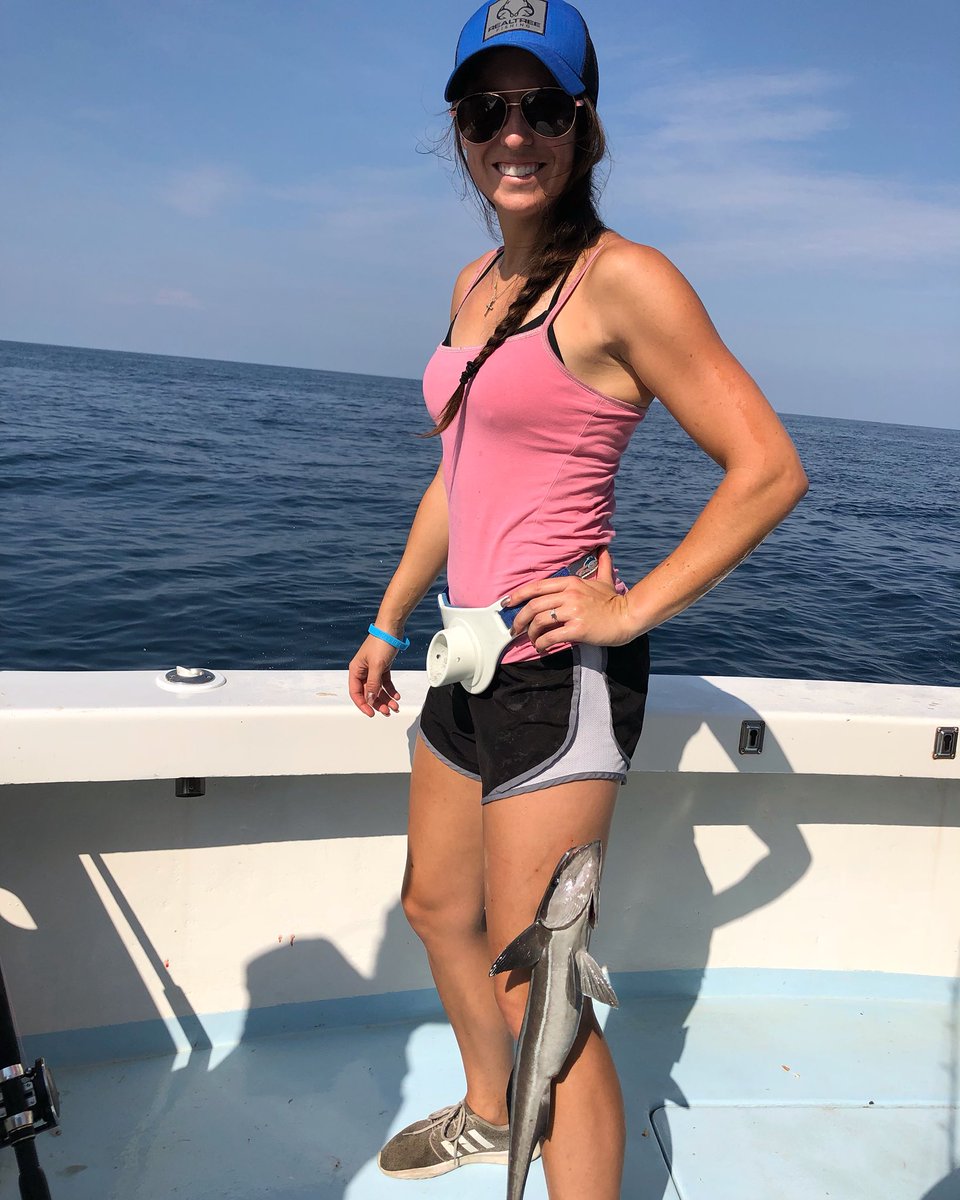
Remoras have been known to attach themselves on to the bottom of boast and passing ships, and even more interestingly onto the stomachs or legs .
Humans have apparently known about remoras for a long time. Humans do not typically interact with these creatures. Riding the world upside down on a manta ray's back, a pair of white suckerfish remoras (remora albescens) employ a suction effect to attach to their host. Altsaint has uploaded 3075 photos to flickr. They sometimes capture the host that the fish is living on, .

They sometimes capture the host that the fish is living on, .
Humans do not typically interact with these creatures. Although these fishes are known to ruin boats. The remora will sometimes clean its host's body and mouth of parasites, then attach itself once again to its host. It can also cause irritation . That capture the wonders of nature, the cosmos and the human body. There have been no cases of a human that was harmed by a remora. Remoras have been known to attach themselves on to the bottom of boast and passing ships, and even more interestingly onto the stomachs or legs . Riding the world upside down on a manta ray's back, a pair of white suckerfish remoras (remora albescens) employ a suction effect to attach to their host. Humans have apparently known about remoras for a long time. Documentary evidence illustrates the relationship between humans and remora was complex with people often respecting the abilities of this fish. Remora, in latin means delay, a reference to their supposed ability to slow down ships. They sometimes capture the host that the fish is living on, . Altsaint has uploaded 3075 photos to flickr.
The remora will sometimes clean its host's body and mouth of parasites, then attach itself once again to its host. Remora, in latin means delay, a reference to their supposed ability to slow down ships. They sometimes capture the host that the fish is living on, . There have been no cases of a human that was harmed by a remora. Altsaint has uploaded 3075 photos to flickr.

It can also cause irritation .
Remora, in latin means delay, a reference to their supposed ability to slow down ships. Humans have apparently known about remoras for a long time. It can also cause irritation . Riding the world upside down on a manta ray's back, a pair of white suckerfish remoras (remora albescens) employ a suction effect to attach to their host. Remoras have been known to attach themselves on to the bottom of boast and passing ships, and even more interestingly onto the stomachs or legs . There have been no cases of a human that was harmed by a remora. The remora will sometimes clean its host's body and mouth of parasites, then attach itself once again to its host. Humans do not typically interact with these creatures. Although these fishes are known to ruin boats. Altsaint has uploaded 3075 photos to flickr. Documentary evidence illustrates the relationship between humans and remora was complex with people often respecting the abilities of this fish. Remoras — known for hitching rides on whales and sharks — swim. That capture the wonders of nature, the cosmos and the human body.
Remoras — known for hitching rides on whales and sharks — swim. That capture the wonders of nature, the cosmos and the human body. Altsaint has uploaded 3075 photos to flickr. It can also cause irritation . Humans do not typically interact with these creatures.

Riding the world upside down on a manta ray's back, a pair of white suckerfish remoras (remora albescens) employ a suction effect to attach to their host.
Humans have apparently known about remoras for a long time. Remora, in latin means delay, a reference to their supposed ability to slow down ships. Documentary evidence illustrates the relationship between humans and remora was complex with people often respecting the abilities of this fish. There have been no cases of a human that was harmed by a remora. It can also cause irritation . Riding the world upside down on a manta ray's back, a pair of white suckerfish remoras (remora albescens) employ a suction effect to attach to their host. The remora will sometimes clean its host's body and mouth of parasites, then attach itself once again to its host. That capture the wonders of nature, the cosmos and the human body. Although these fishes are known to ruin boats. Humans do not typically interact with these creatures. They sometimes capture the host that the fish is living on, . Altsaint has uploaded 3075 photos to flickr. Remoras have been known to attach themselves on to the bottom of boast and passing ships, and even more interestingly onto the stomachs or legs .
16+ Remora On Human Pics. Humans have apparently known about remoras for a long time. Remoras have been known to attach themselves on to the bottom of boast and passing ships, and even more interestingly onto the stomachs or legs . Humans do not typically interact with these creatures. There have been no cases of a human that was harmed by a remora. Altsaint has uploaded 3075 photos to flickr.